
Dubai Home Sales Cross Dh139 Billion as Rental Growth Begins to Cool
Dubai’s residential property market entered 2026 with continued strength, recording Dh139.1 billion in home sales during the first quarter. Buyer demand remained active across the city, supported by off-plan opportunities, modern apartment developments, family-focused homes and ongoing interest in luxury residences.
However, the market is also beginning to show signs of a shift. While home values and rents are still increasing, the speed of growth has started to moderate. For buyers, investors and tenants, this points towards a market that remains attractive but may be becoming more balanced after several years of strong upward movement.
Dubai Home Sales Remain Strong in Early 2026
Between January and March 2026, Dubai recorded approximately 44,200 residential property transactions. Compared with the same period last year, transaction numbers increased steadily, while total sales value climbed at a much faster rate.
This suggests that buyers were not simply purchasing more homes; they were also committing larger amounts of capital to residential property. Demand continued across apartments, townhouses, villas and premium homes, with buyers looking for a combination of lifestyle quality, rental potential and long-term value.
Key Residential Market Figures at a Glance
The first quarter recorded several important market indicators:
- Dh139.1 billion in total residential sales value.
- Approximately 44,200 home transactions completed.
- Sales value increased by more than 21% year on year.
- Off-plan homes represented around 73% of all residential transactions.
- Average residential prices reached approximately Dh1,683 per square foot.
- Rental growth slowed to its weakest annual pace since 2022.
These figures show that Dubai property continues to attract significant buyer attention. At the same time, slowing price and rental growth indicates that buyers may now need to focus more carefully on value, quality and location rather than relying only on general market momentum.
Off-Plan Homes Continue to Drive Property Sales
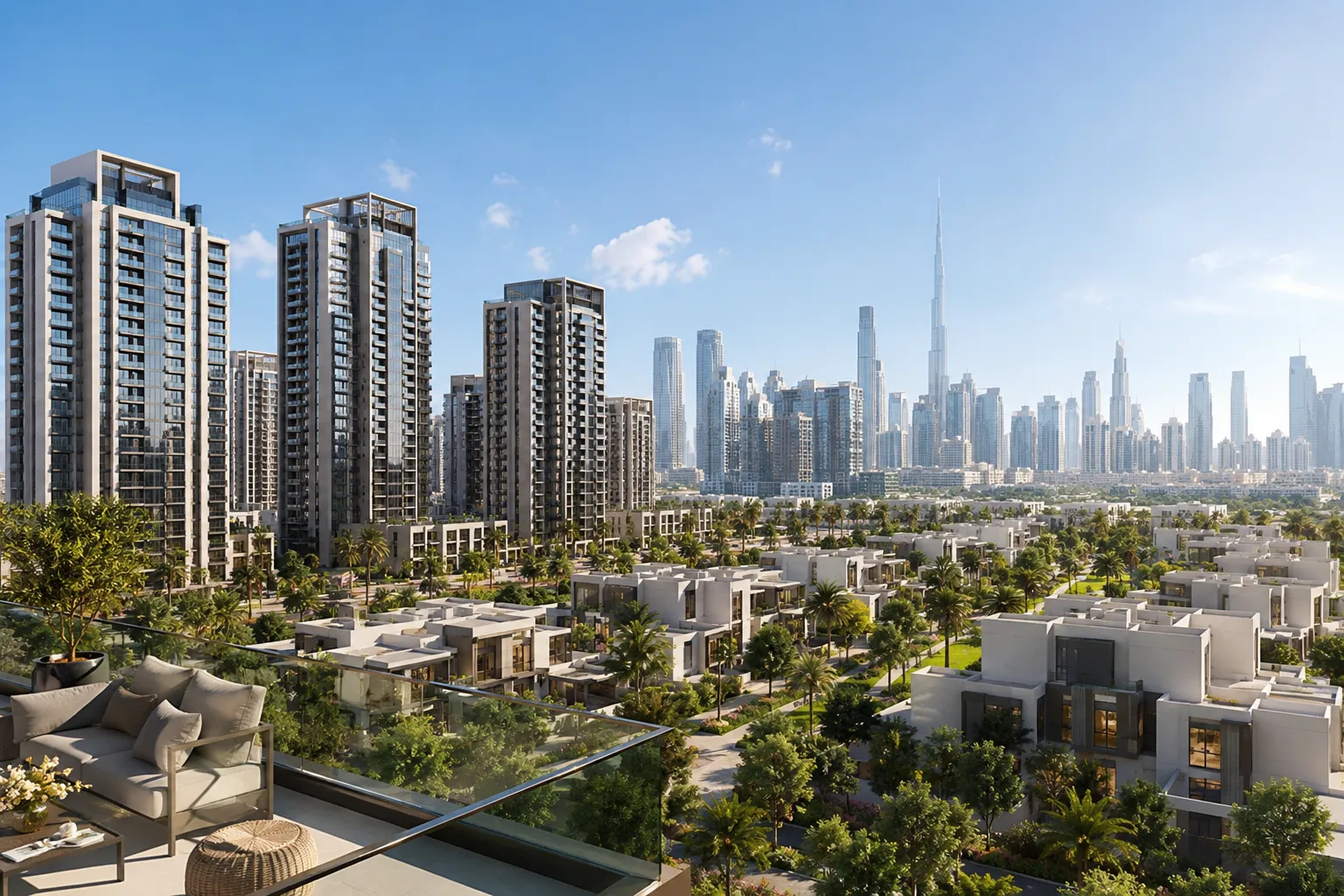
The off-plan market remained the strongest contributor to residential activity during the first quarter of 2026. More than 32,300 off-plan homes were sold, generating approximately Dh105.5 billion in sales value.
This segment accounted for nearly three quarters of all residential transactions, highlighting the continued appeal of homes purchased before completion.
Why Buyers Are Choosing Off-Plan Properties
Off-plan properties often attract both local and international buyers for several reasons:
- Flexible payment plans can make property ownership more accessible.
- New developments commonly offer modern layouts and lifestyle facilities.
- Buyers may enter at a more manageable price point than in completed communities.
- Investors may see potential for capital appreciation before handover.
- Newer communities can appeal to tenants seeking fresh, well-planned residential environments.
For many buyers, the decision is not only about purchasing a home; it is about selecting a property that suits future living requirements or investment goals.
Apartments Remain the Most Popular Choice
Apartments continued to dominate both new-build and completed home transactions. Their popularity is supported by affordability, accessibility and rental demand.
Apartments often appeal to:
- First-time property buyers.
- Overseas investors.
- Young professionals.
- Couples and smaller families.
- Residents looking for convenient access to business and lifestyle destinations.
Townhouses and villas remained important for families seeking more space and privacy, but apartments continued to form the majority of sales activity.
Property Prices Continue Rising, But at a Slower Pace
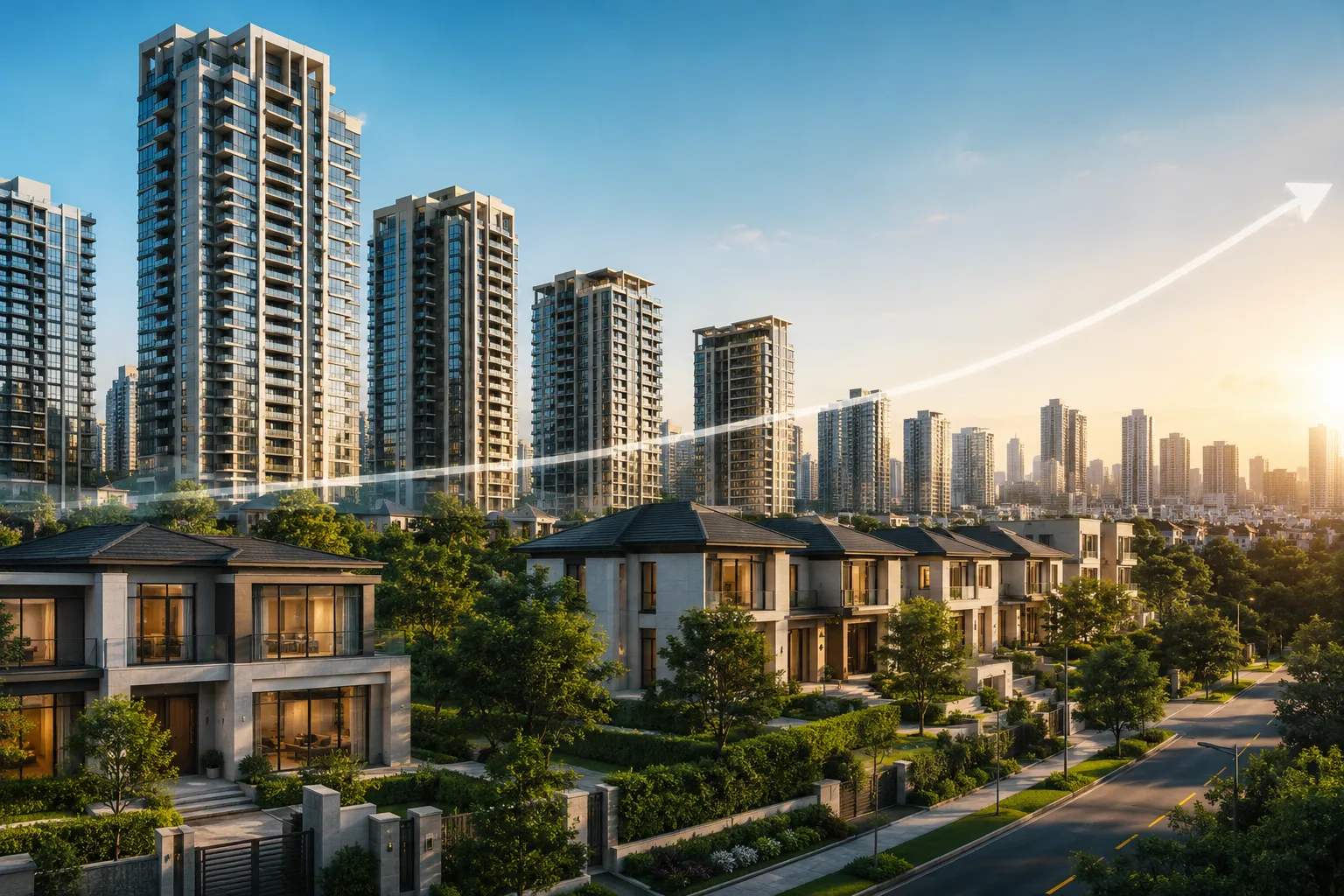
Average residential property prices reached approximately Dh1,683 per square foot during the first quarter of 2026. This represented a yearly increase of 9.6%, showing that property values remain higher than they were twelve months earlier.
However, the pace of price growth has started to soften. After several years of rapid expansion, this moderation may signal a healthier and more sustainable stage for the market.
What Slower Price Growth Means for Buyers
Slower price increases do not necessarily mean falling demand. Instead, they can create a market where buyers have more opportunity to assess their options carefully.
Buyers may now pay greater attention to:
- The quality of construction and finishes.
- Practical floor plans and usable living space.
- Community facilities and nearby services.
- Transport connectivity and accessibility.
- Future supply in the surrounding area.
- Potential rental demand and resale value.
In a rapidly rising market, buyers can feel pressure to make decisions quickly. In a more measured environment, they may have greater room to compare properties and focus on homes that deliver lasting value.
Rental Growth Begins to Cool Across Dubai

While residential sales remained strong, rental growth showed early signs of easing. During the first quarter of 2026, rents increased by 10.2% year on year and by 0.8% compared with the previous quarter.
Although rents are still higher than last year, this annual increase was the slowest recorded since 2022. This is an important development for tenants who have experienced significant rental increases in recent years.
Increased Housing Choice May Benefit Tenants
One of the main reasons rental pressure may be easing is the delivery of additional residential supply. As more homes become available, tenants can gain greater choice when deciding whether to renew a lease or move to another property.
A more balanced rental environment may allow tenants to:
- Compare similar homes across different communities.
- Negotiate rental terms more confidently.
- Consider relocation without facing extreme price differences.
- Look for better amenities or more suitable layouts.
- Evaluate whether buying a home is becoming a practical alternative.
Around 149,000 rental contracts were registered during the first quarter, with renewals making up approximately two-thirds of the total. This indicates that many residents are still choosing to remain in their existing homes, particularly where rental terms and location continue to suit their needs.
Rental Yields Continue to Attract Investors
Even though rent growth is beginning to moderate, Dubai residential property remains attractive to investors seeking rental income.
Apartment rental yields averaged approximately 7.2%, while villas and townhouses delivered average yields of around 5% during the first quarter.
Why Apartments Often Generate Higher Yields
Apartments usually remain appealing to investors because they may require a lower purchase budget while attracting demand from a wide tenant base.
Their investment appeal can include:
- Lower entry prices compared with larger family homes.
- Demand from professionals and small households.
- Easier leasing in well-connected locations.
- Broader resale interest among buyers.
- Potentially stronger percentage-based rental returns.
What Investors Should Assess Carefully
As the market becomes more balanced, investors should avoid making decisions based only on recent rent increases. A successful rental property depends on several practical factors, including:
- Purchase price.
- Expected annual rent.
- Service charges and maintenance costs.
- Community quality and tenant demand.
- Future competition from newly completed homes.
- Property condition and layout.
- Ease of resale in the future.
A property that delivers genuine long-term value may perform more reliably than a home selected only because it appears affordable at the time of purchase.
Luxury Home Sales Remain Highly Active
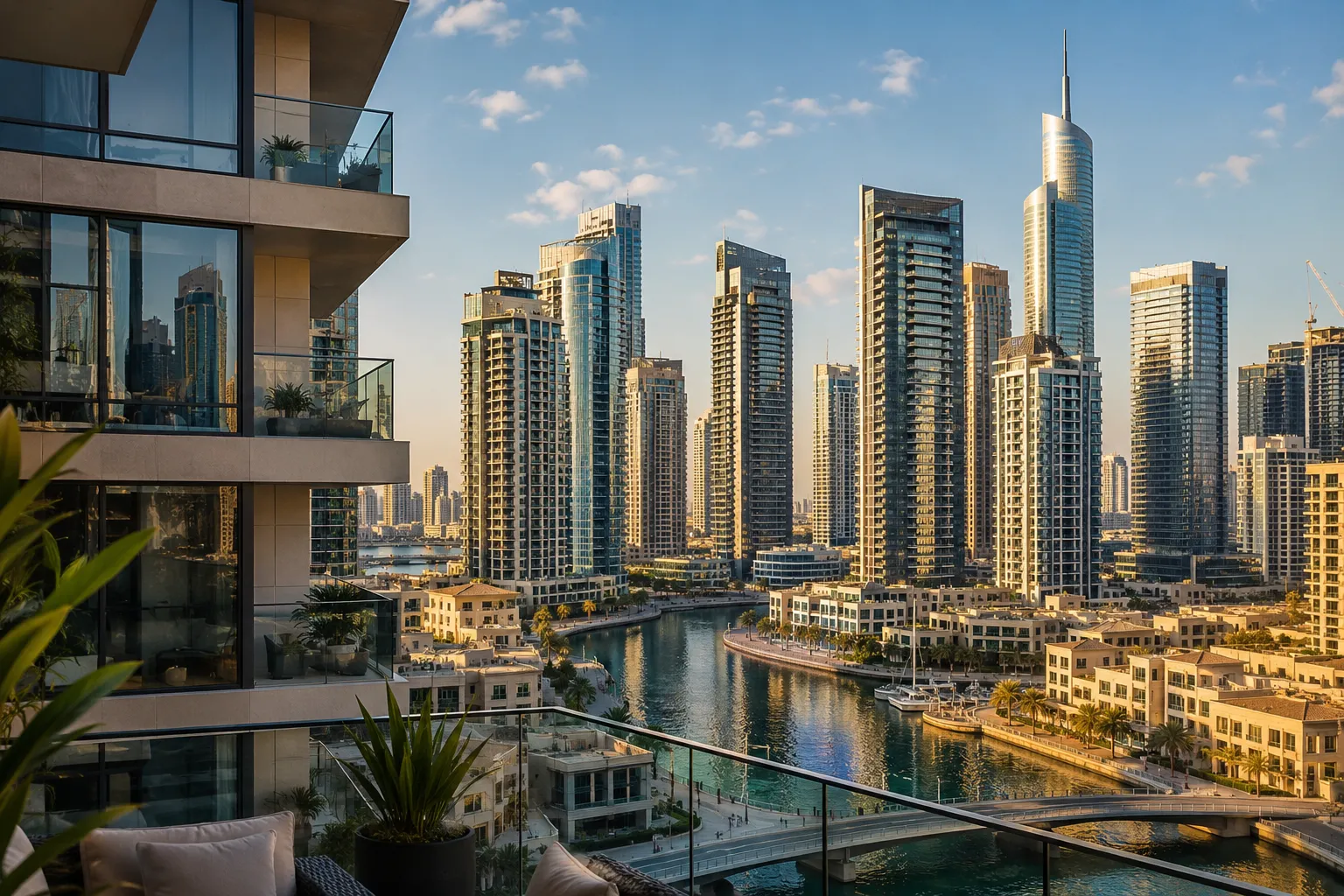
Dubai’s premium residential sector continued to show strong demand during the first quarter of the year. Homes priced between Dh20 million and Dh50 million generated approximately Dh28.2 billion in sales.
Properties valued above Dh50 million contributed a further Dh10.2 billion, showing that buyers at the upper end of the market remain active.
What Is Supporting Demand for High-End Homes?
Luxury residential buyers are often motivated by more than price growth alone. They may be looking for privacy, spacious layouts, premium finishes and desirable surroundings.
High-value homes can appeal because of:
- Larger living spaces.
- Exclusive residential environments.
- Privacy and security.
- Quality architectural design.
- Access to leisure, waterfront or green surroundings.
- Long-term lifestyle value.
Combined, premium and ultra-premium homes generated approximately Dh38.4 billion from 840 transactions during the quarter. This demonstrates that Dubai’s residential market continues to attract buyers across multiple price levels, from apartments and family homes to high-value residences.
New Residential Supply Could Support Better Balance
The arrival of new housing supply is likely to shape the market throughout the rest of 2026. Approximately 12,900 new residential units were completed during the first quarter, representing the highest quarterly delivery figure in three years.
Apartments accounted for the largest share of these completed homes, which could support additional choice for tenants and investors seeking accessible residential units.
How New Supply May Influence the Market
As more homes become available, the property market may gradually experience:
- Greater choice for tenants.
- More competition between landlords.
- Slower rental price increases.
- More selective buyer behaviour.
- Greater importance placed on quality and location.
- Reduced pressure in highly competitive residential areas.
At the same time, new property launches declined compared with the same period last year. This may help the market absorb existing supply more gradually rather than becoming overloaded with newly announced homes.
What Buyers, Investors and Tenants Should Take Away
Dubai’s residential property market remains strong, with more than Dh139 billion in sales recorded during the opening quarter of 2026. Off-plan homes continue to dominate buyer activity, apartments remain highly popular and luxury properties are still attracting significant investment.
Yet the market is clearly developing in a new direction. Prices are still increasing, but at a slower pace. Rents are still rising, but rental growth has begun to cool. New residential supply is giving buyers and tenants more choice, creating conditions for a more balanced market.
For Buyers
Buyers may benefit from taking more time to compare communities, layouts, pricing and future value before making a decision.
For Investors
Investors should focus on realistic rental returns, service charges, location demand and future supply rather than relying only on previous market growth.
For Tenants
Tenants may begin to experience improved choice and stronger negotiating potential as more completed homes become available.
Final Thoughts
Dubai’s property market continues to demonstrate resilience and strong buyer confidence. The first quarter of 2026 delivered impressive residential sales figures, supported by off-plan demand, apartment purchases and continued activity in the luxury segment.
However, the slowing pace of price and rental growth suggests that the market is gradually entering a more considered phase. This could be positive for long-term stability, creating a healthier environment where successful property decisions depend on quality, suitability and lasting value.
For buyers, investors and residents, the opportunity remains clear: Dubai continues to offer a dynamic residential market, but careful selection is becoming more important than ever.
FAQs
How much did Dubai home sales reach in Q1 2026?
Dubai residential sales reached approximately Dh139.1 billion during the first quarter of 2026.
What type of property attracted the most buyers?
Off-plan properties led the market, accounting for around 73% of residential transactions.
Are Dubai property prices still rising?
Yes. Average residential prices increased to approximately Dh1,683 per square foot, although growth has started to slow.
Is rental growth slowing in Dubai?
Yes. Rents rose by 10.2% year on year, marking the slowest annual rental growth since 2022.
Are Dubai homes still attractive for investors?
Yes. Apartments delivered average rental yields of around 7.2%, while villas and townhouses averaged approximately 5%.
What is the outlook for Dubai’s residential property market?
The market remains active, but easing rental and price growth suggests a move towards a more balanced environment for buyers, investors and tenants.
Source : Gulf News