
Dubai Holding Secures Leading Emaar Stake in Dh23.9 Billion Transfer
Dubai’s real estate sector has witnessed another major corporate development after Dubai Holding became the largest shareholder in Emaar Properties through a stake transfer valued at approximately Dh23.9 billion.
The transaction involved the acquisition of an additional 22.27% stake, increasing Dubai Holding’s total ownership in Emaar to 29.73%. The change represents more than a shareholding adjustment. It strengthens exposure to some of Dubai’s most valuable residential, retail, hospitality and entertainment-linked assets at a time when the emirate’s property market continues to attract strong investor and buyer demand.
Although Emaar will continue operating as a separately listed company, the ownership change highlights a wider trend in Dubai: major investment groups are increasing their focus on established assets capable of producing long-term income and supporting future economic growth.
What Happened in the Dh23.9 Billion Stake Transfer?
The deal transferred a major ownership position in Emaar to Dubai Holding, making it the listed developer’s largest shareholder.
Key Details of the Transaction
- The transferred stake represented approximately 22.27% of Emaar’s shares.
- The deal was valued at around Dh23.9 billion, based on the latest reported share price.
- Dubai Holding’s total ownership increased to 29.73%.
- The previous shareholder no longer retains a stake following the transfer.
- Emaar remains independently listed and continues operating as a publicly traded company.
This is significant because Emaar is closely connected to several of Dubai’s most recognised property, shopping, hospitality and leisure destinations. As the largest shareholder, Dubai Holding gains greater exposure to these income-producing sectors without changing the company’s separately listed status.
Why Does Emaar Matter So Much to Dubai’s Economy?
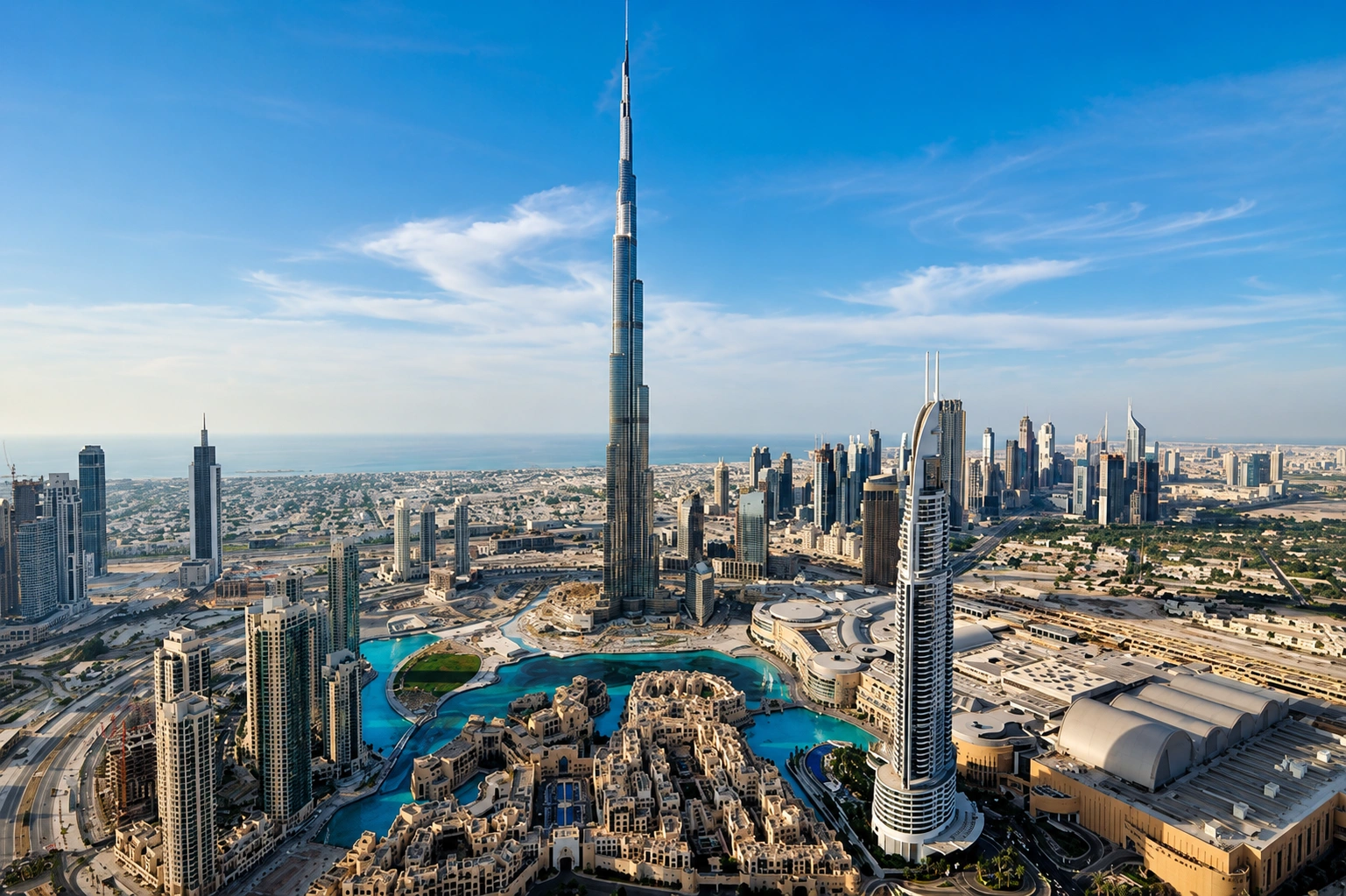
Emaar is not only a residential developer. Its activities are connected to several major parts of Dubai’s economy, including property sales, shopping destinations, hotels, leisure attractions and managed communities.
Exposure Beyond Residential Property
A stronger stake in Emaar provides access to multiple revenue-generating areas, such as:
- Master-planned residential communities.
- Premium apartment and villa developments.
- Large-scale retail destinations.
- Hospitality and tourism-related assets.
- Entertainment venues.
- Community management and recurring service income.
This broad exposure matters because Dubai’s economy is closely supported by real estate, tourism, retail and international investment. Residential sales may provide substantial revenue during periods of strong buyer demand, while malls, hotels and entertainment assets can help generate recurring income over time.
For a large investment group seeking diversified long-term value, an increased position in a company active across all these sectors can be strategically attractive.
The Timing Reflects Confidence in Dubai Property
The ownership change has taken place during a period of sustained strength in Dubai’s property market. Demand for homes, premium communities and investment properties continues to be supported by population growth, international buyer interest, business expansion and tourism activity.
Emaar recently recorded Dh22.4 billion in property sales during the first quarter, representing an increase of 16% year on year. Its revenue also rose by 23% to Dh12.4 billion during the same period.
Why Market Conditions Make the Deal Important
The current environment supports the strategic value of the transaction because:
- Dubai continues to attract local and international property buyers.
- Premium residential developments remain in demand.
- Tourism activity supports hotels, retail and entertainment venues.
- Population growth increases demand for housing and everyday lifestyle infrastructure.
- Business inflows can support long-term commercial and residential expansion.
The transaction therefore gives Dubai Holding deeper participation in a company benefiting from several important growth drivers within the city.
A Move Towards Long-Term, Income-Producing Assets

Large-scale investment decisions are often driven by more than short-term share price movements. The transfer gives Dubai Holding greater exposure to assets capable of generating recurring income alongside future development opportunities.
Why Recurring Income Is Valuable
Property sales can produce strong revenue during active market periods, but recurring-income assets can provide additional stability. These may include:
- Retail leasing income from shopping destinations.
- Hotel and hospitality-related revenue.
- Entertainment and visitor spending.
- Community management income.
- Long-term value from developed residential destinations.
This balance between property sales and recurring operational income may make Emaar particularly valuable within a diversified investment portfolio.
Rather than relying only on future home launches, the company is linked to completed destinations already used by residents, tourists and visitors. This gives the shareholder exposure to both current income generation and future development potential.
Existing Connections Between the Two Companies Have Deepened
The latest transaction is not the beginning of the relationship between Dubai Holding and Emaar. Dubai Holding already held a notable ownership position before the new stake transfer.
In 2022, its position increased through a major transaction connected to a large waterfront mixed-use development. That agreement involved a value of approximately Dh7.5 billion and strengthened cooperation between the two groups in residential and tourism-linked development.
What the Latest Deal Changes
The new ownership position further expands exposure to:
- Large residential development pipelines.
- Established destination retail assets.
- Hotels and hospitality operations.
- Tourism-focused entertainment facilities.
- Future mixed-use communities across Dubai.
This suggests a continued strategy of building stronger links with high-value urban assets that can serve residents, businesses, investors and visitors over the long term.
What Does the Deal Mean for Dubai’s Property Market?

For the wider property market, the transfer reflects continued confidence in Dubai’s real estate fundamentals. A transaction of nearly Dh24 billion involving one of the city’s most prominent listed property companies signals belief in long-term demand and continued urban growth.
Potential Market Implications
The deal may reinforce confidence in several ways:
- It highlights the importance of established developers with completed and upcoming assets.
- It supports the view that Dubai property remains attractive for long-term institutional investment.
- It shows continued interest in residential, hospitality and retail-linked development.
- It places greater focus on large master-planned communities and recurring income assets.
- It demonstrates how major portfolios are being positioned around Dubai’s future growth.
For buyers and investors, the transfer does not immediately change day-to-day property purchasing decisions. However, it can strengthen overall confidence in the market by showing that major investment groups continue to commit substantial capital to Dubai’s property and tourism-linked sectors.
Why Residential and Tourism Assets Remain Important
Dubai’s housing market and visitor economy are closely connected. People moving to the city require homes, retail options, leisure destinations and hospitality services. At the same time, tourism supports demand for hotels, shopping venues and lifestyle attractions.
A company with exposure across these sectors can therefore benefit from several interconnected growth areas.
Key Demand Drivers Include:
- Continued population expansion.
- International investor interest.
- Strong demand for quality residential communities.
- Ongoing tourism activity.
- New business formation and relocation.
- Infrastructure and lifestyle development across the city.
These factors help explain why increasing ownership in Emaar may be viewed as a long-term strategic decision rather than simply a financial transaction.
What This Means for Investors and Property Buyers

For property investors, the transaction provides further evidence that Dubai’s real estate market continues to hold strategic importance for major investment portfolios.
However, buyers should still assess each property opportunity individually. A strong wider market does not mean every unit, project or location will deliver the same performance.
Buyers Should Continue to Review:
- Location and accessibility.
- Community quality and available facilities.
- Expected rental demand.
- Service charges and maintenance costs.
- Future supply nearby.
- Developer track record and delivery quality.
- Potential for long-term resale value.
A major corporate transaction may increase confidence in the market, but successful property investment still depends on careful selection and realistic financial expectations.
Final Thoughts
Dubai Holding’s rise to become Emaar’s largest shareholder marks an important development in Dubai’s corporate and property landscape. The approximately Dh23.9 billion stake transfer raises its ownership to 29.73%, giving it broader exposure to residential development, retail, hospitality, entertainment and recurring real estate income.
The transaction arrives while Dubai continues to benefit from strong property sales, expanding tourism activity and sustained interest from international buyers and investors. More importantly, it illustrates how major investment portfolios are increasingly focused on established, income-producing assets connected to Dubai’s long-term growth.
For the wider market, the deal reinforces the continued importance of real estate and lifestyle-led development in the emirate’s economic future.
Source: Gulf News