Dubai Property Handovers Reach Multi-Year High as New Launches Slow
Dubai’s residential property market moved into a more balanced phase during the second quarter of 2026. A strong increase in completed homes expanded the supply of ready properties, while new project launches fell sharply compared with the previous quarter.
The change suggests that the market is shifting from rapid expansion toward more measured growth. Buyers now have more choice, tenants are seeing greater competition among landlords, and developers appear to be managing future supply more carefully.
Dubai Records a Major Rise in Property Handovers
Around 27,300 residential units were completed during the second quarter of 2026, representing the strongest quarterly delivery level recorded in several years. The total included approximately 17,400 apartments and 9,900 villas and townhouses.
This wave of handovers has increased the number of homes available for immediate occupation. The delivery of almost 10,000 villas and townhouses is especially important for families looking for larger properties.
Ready Homes Give Buyers Greater Choice
Many previously launched projects are now reaching the handover stage, giving the market a larger pool of completed stock.
The increase in ready supply means:
- Buyers can inspect completed homes before purchasing.
- Investors can assess rental demand more accurately.
- Tenants have more options across property types.
- Sellers and landlords may face stronger competition.
In communities receiving several projects at once, pricing, property condition, service quality, and location are likely to become more important.
New Residential Launches Drop Significantly
Only 5,335 residential units were launched during the second quarter, compared with more than 45,000 units in the first quarter.
This decline does not automatically signal weaker confidence. Instead, it indicates a change in release strategies. Developers are increasingly introducing projects in phases rather than bringing large volumes of inventory to the market at once.
Phased Project Releases Could Support Stability
A phased approach allows supply to be absorbed gradually and gives developers more time to assess buyer demand before releasing additional units.
Development timelines are also becoming longer. Delivery periods that were commonly around three years are moving closer to four years, spreading future completions across a wider period.
What Longer Timelines Mean for Buyers
Longer schedules may reduce pressure on prices, rents, infrastructure, and community services. Buyers should still review completion dates, payment plans, construction progress, and project details before committing.
Property Transactions Moderate as Buyers Become Selective
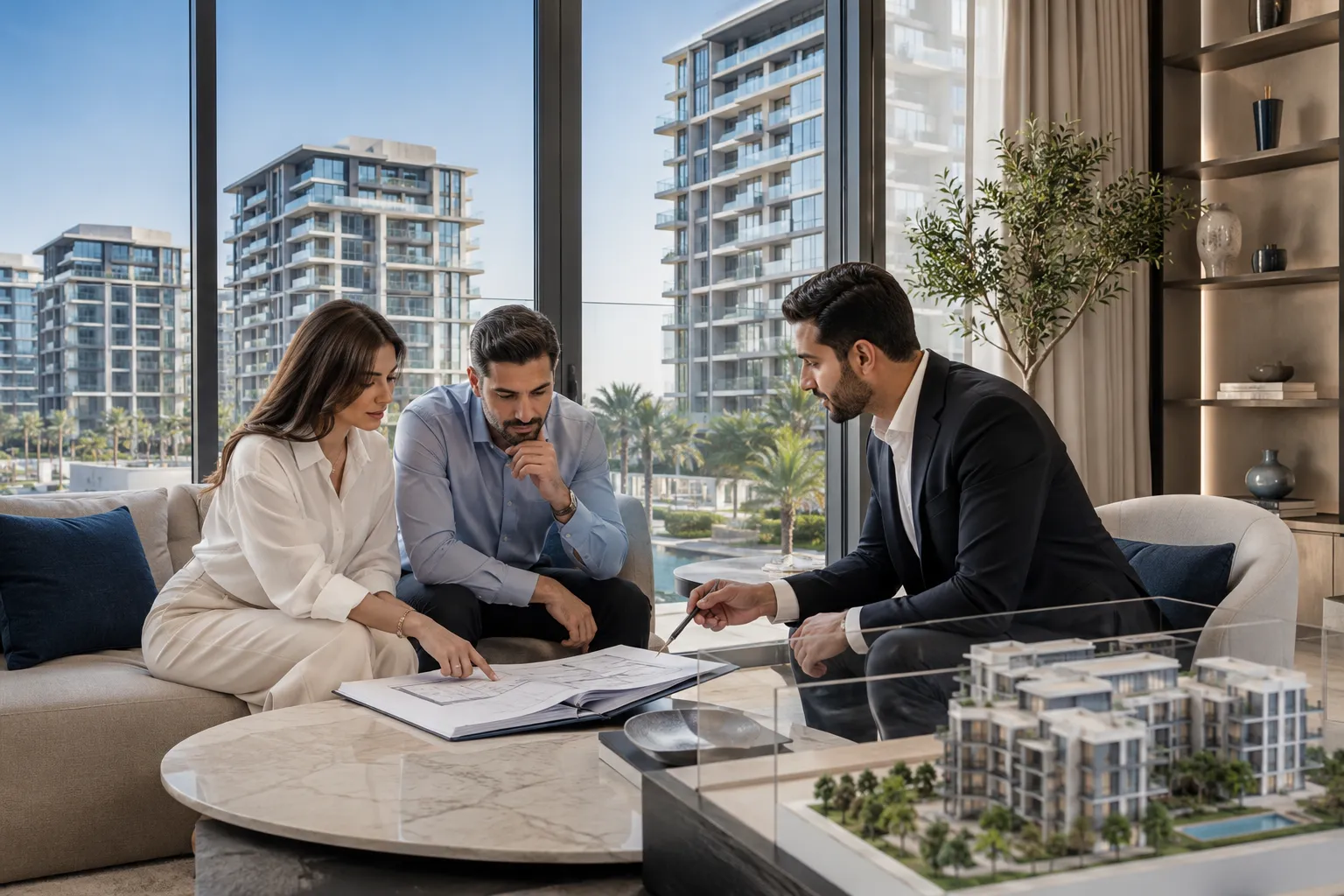
Dubai recorded 35,884 residential transactions during the second quarter, approximately 19 per cent fewer than in the previous quarter.
The slowdown appears to reflect greater buyer selectivity rather than disappearing demand. With more completed homes and a wider range of projects available, purchasers can take more time to compare pricing, location, quality, payment structures, and long-term value.
Off-Plan Sales Continue to Lead
Despite fewer launches, off-plan homes represented around 76 per cent of all residential transactions. Flexible payment plans and early-stage pricing therefore continue to attract significant interest.
The larger supply of completed homes may also strengthen the ready and secondary markets. Buyers seeking immediate occupancy or rental income may increasingly consider units that are already complete.
Refinancing activity rose sharply and accounted for roughly 70 per cent of valuation instructions by the end of the quarter, compared with historical levels of around 30 per cent. This suggests that many owners are retaining their properties and accessing equity instead of selling.
Sales Prices and Rents Begin to Adjust
Apartment prices declined by about 4 per cent quarter on quarter, reaching an average of approximately AED 1,960 per square foot. Villa and townhouse prices recorded a smaller reduction of around 0.8 per cent, averaging close to AED 1,646 per square foot.
Different Communities May See Different Changes
Comparable sales indicate that some areas recorded underlying price adjustments of roughly 5 to 7 per cent. However, overall values remained higher than a year earlier.
Dubai’s rental market also showed signs of rebalancing. Annual tenancy registrations fell by approximately 22 per cent, while average rents across major residential communities declined by around 8 to 10 per cent.
For tenants, this may create more room to compare or negotiate. Landlords may need to focus on realistic pricing, good maintenance, and property condition to remain competitive.
Luxury Property Remains Resilient
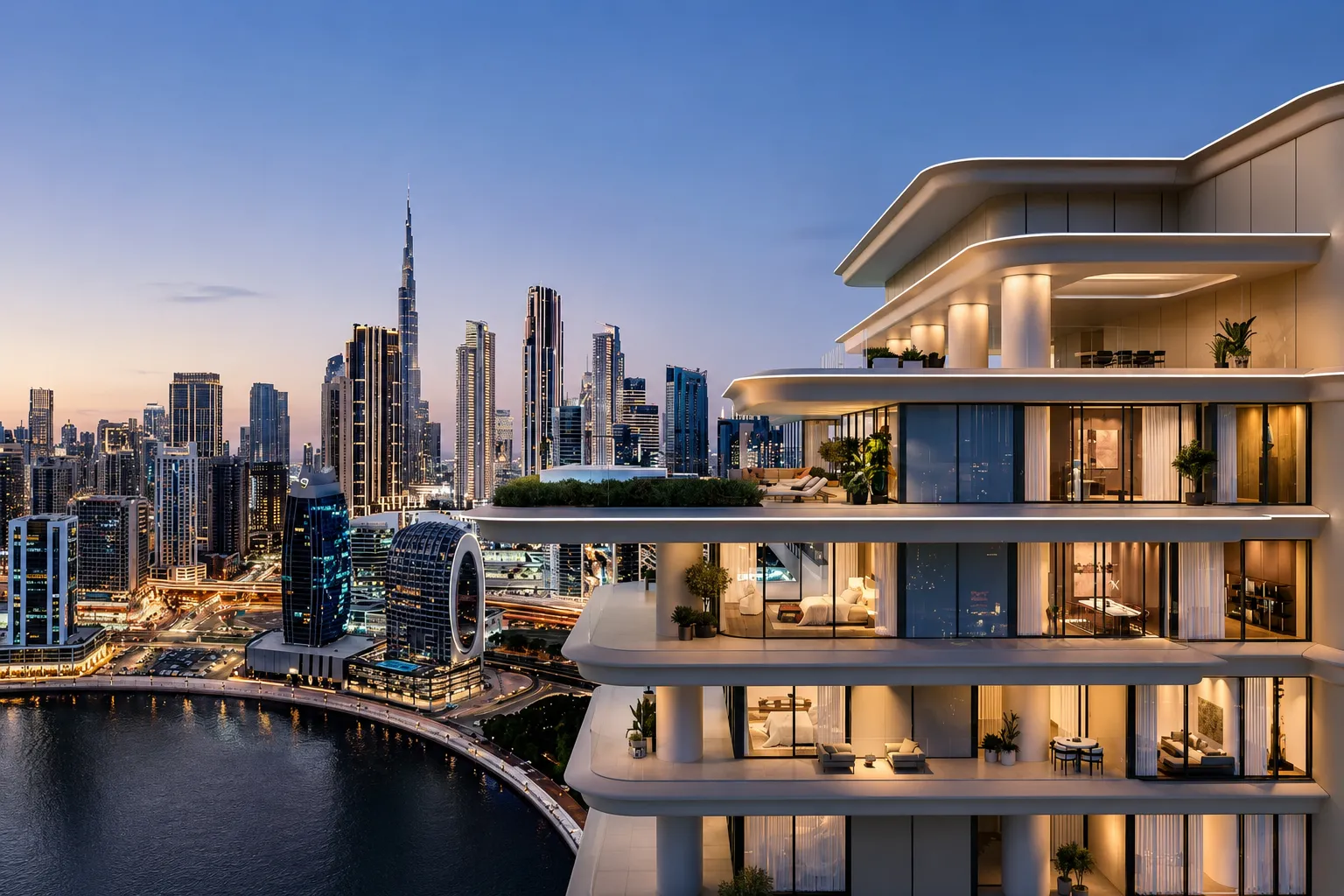
The premium residential segment continued to perform strongly despite wider moderation. During the quarter, 864 properties valued above AED 10 million were sold.
Demand remained focused on established luxury communities, waterfront homes, and premium branded residences. A villa sale valued at AED 280 million also showed that exceptional properties can continue attracting high-value buyers.
Dubai’s Long-Term Property Outlook Stays Positive
The latest figures point to market normalisation rather than a sudden downturn. Higher handovers, fewer launches, moderate price movements, and more careful buying decisions indicate that Dubai’s residential market is entering a more mature stage.
Long-term demand continues to be supported by population growth, inward migration, infrastructure investment, and residency initiatives connected to property ownership. The approved AED 34 billion Metro Gold Line is also expected to improve connectivity and support demand in areas benefiting from new transport links.
For buyers and investors, the next phase may favour careful research over rushed decisions. Location, construction quality, rental potential, service charges, delivery schedules, and community planning will matter more as the market moves toward disciplined growth.
Source : Khaleej Times